Transformative Justice and Reconciliation Project
Grassroots peace architectures: community-led peace mediators and local dispute-resolution platforms.

Why it was needed
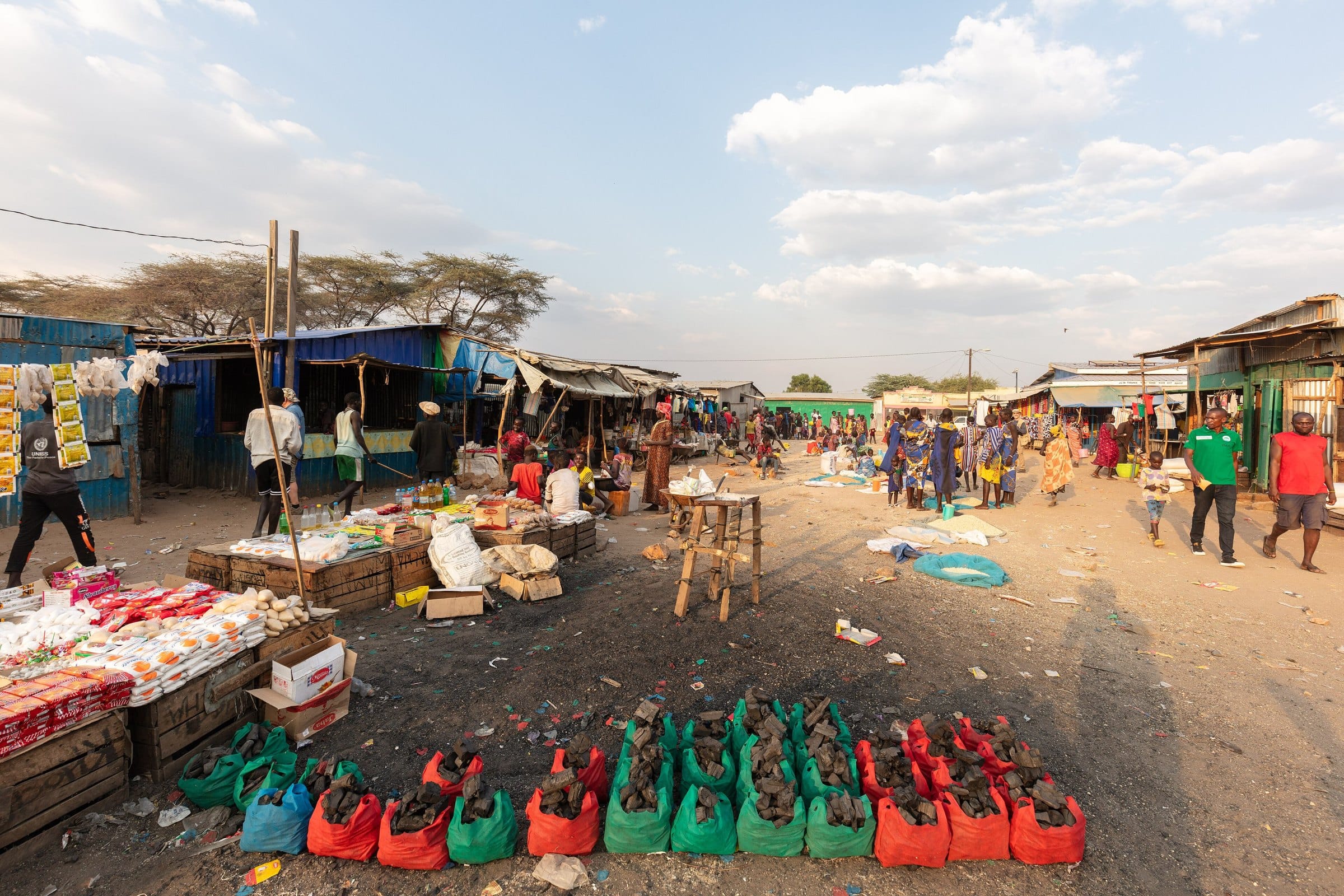
The aftermath of violent conflict left hate speech, deep-seated distrust and ethnic divisions in communities. TJR-P addressed these directly, through mediation and reconciliation led by the communities themselves.
Objectives
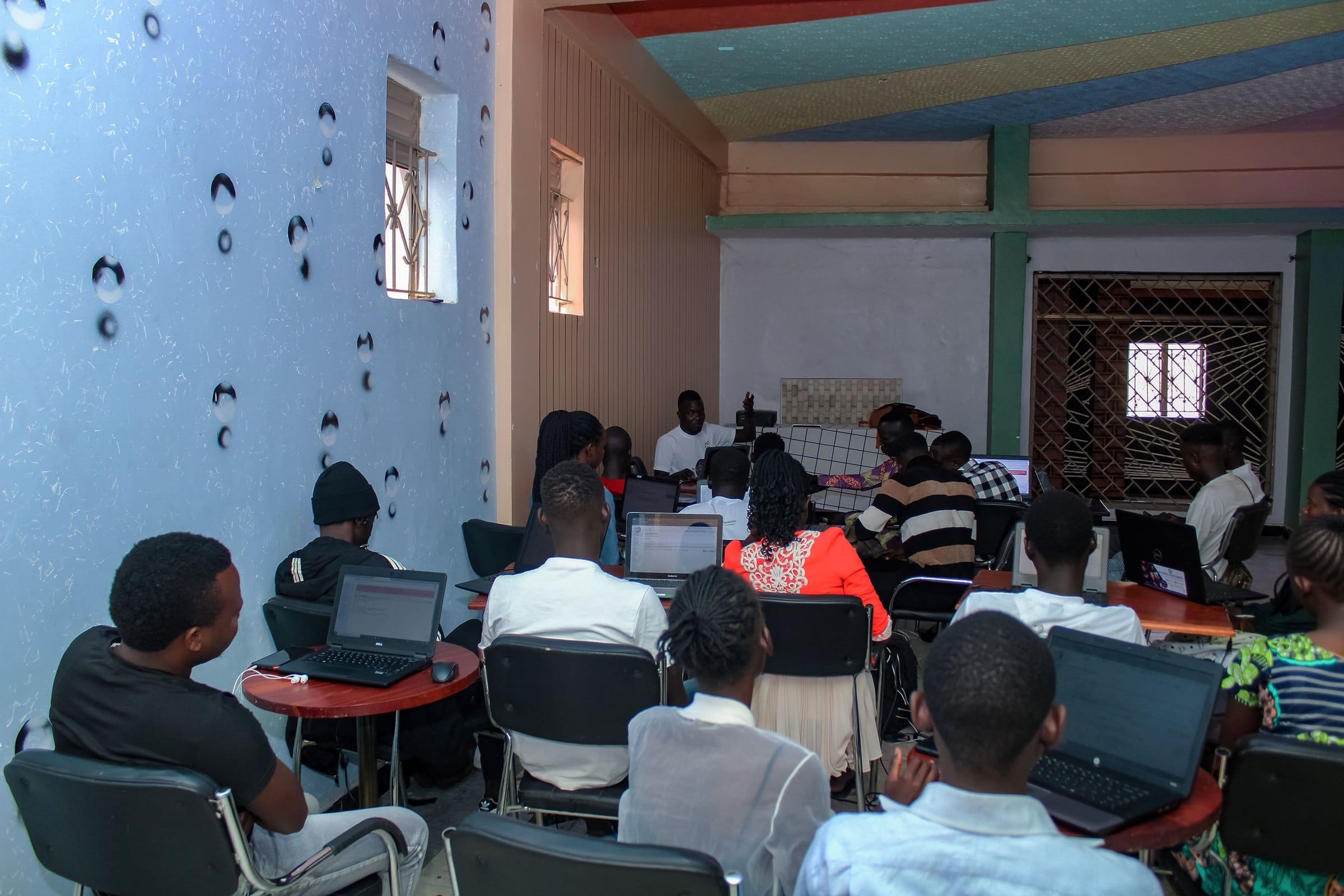
- Train and deploy community-led peace mediators.
- Establish localized dispute-resolution platforms.
- Restore social cohesion and reduce inter-communal friction.
Achievements and outcomes
- Hundreds of community-led peace mediators trained and deployed.
- Localized dispute-resolution platforms established, restoring social cohesion and mitigating inter-communal friction.
Lessons learned
- Mediators chosen and trusted by their own communities resolve disputes that outside actors can't reach.
- Every intervention needs a conflict-sensitive, "Do No Harm" design from the start.
More from the portfolio